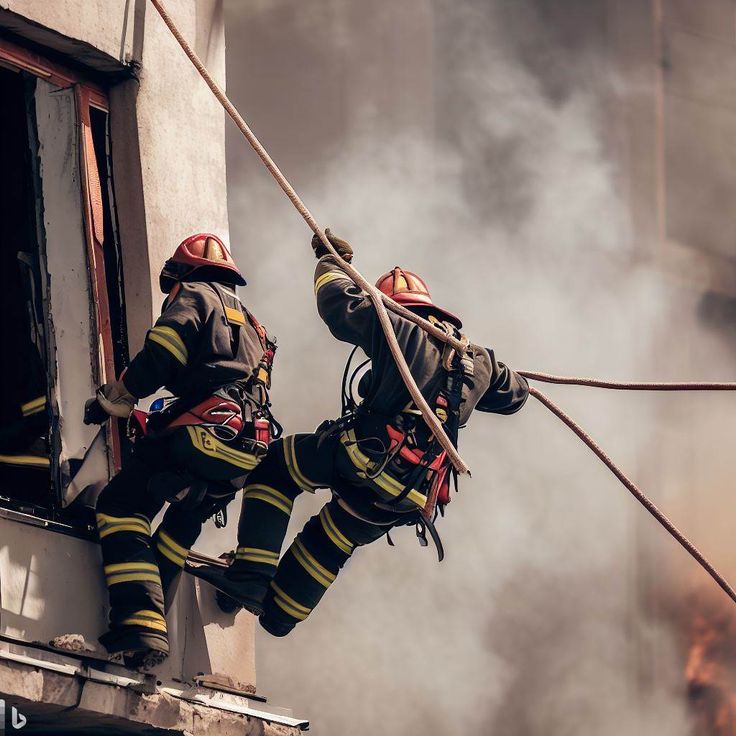
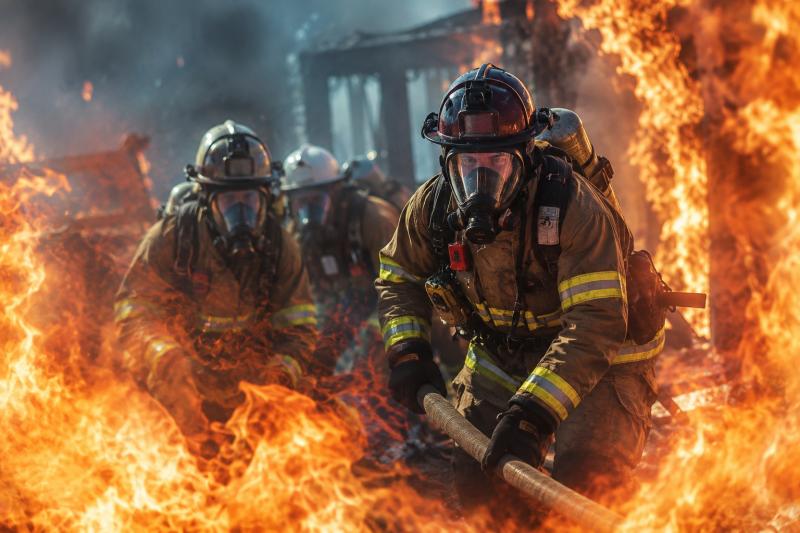
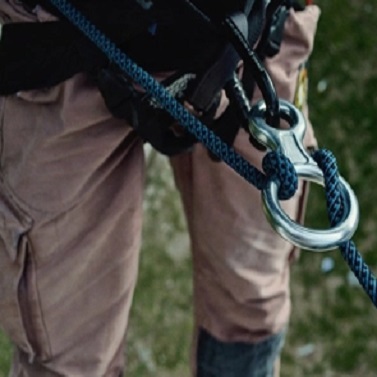
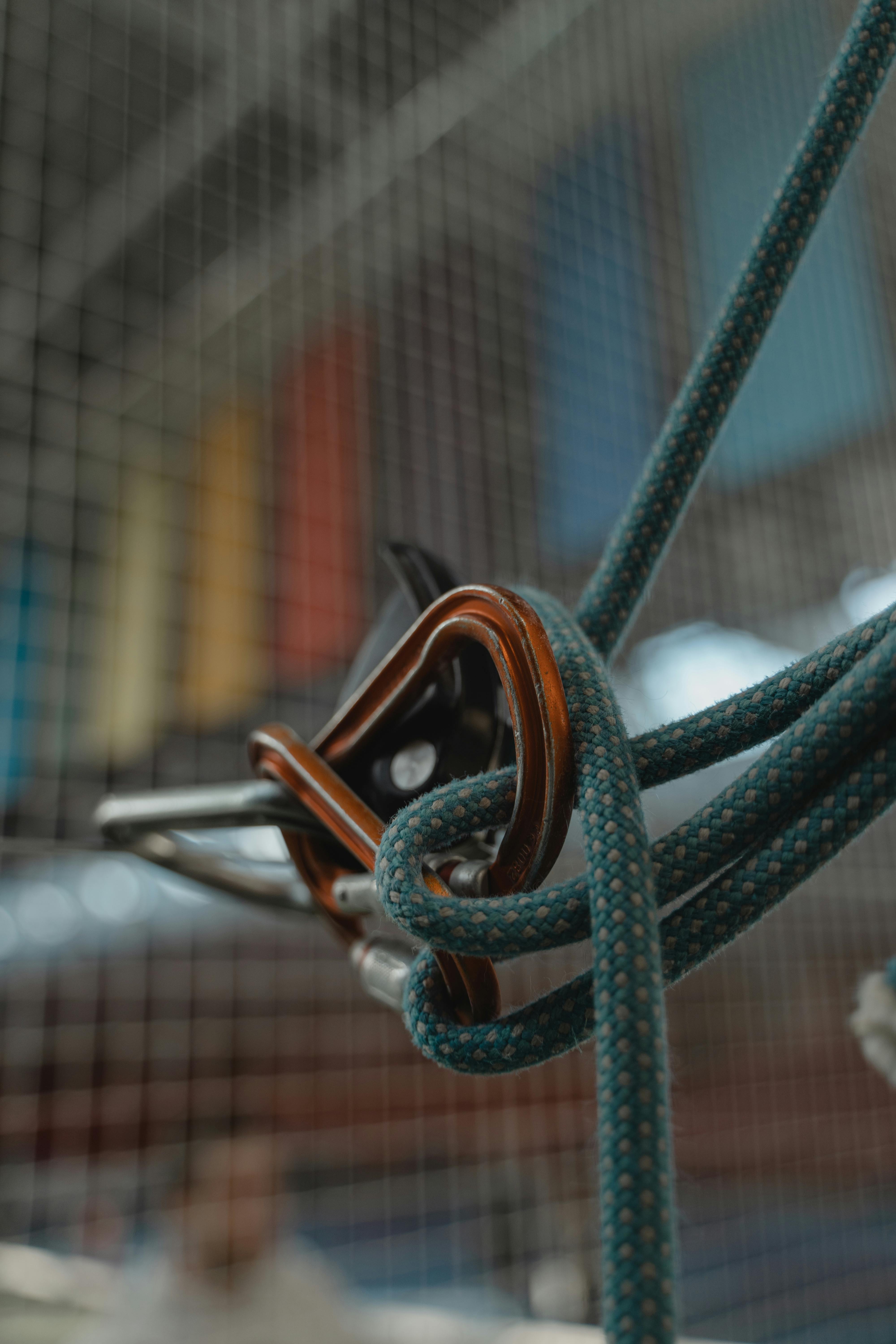
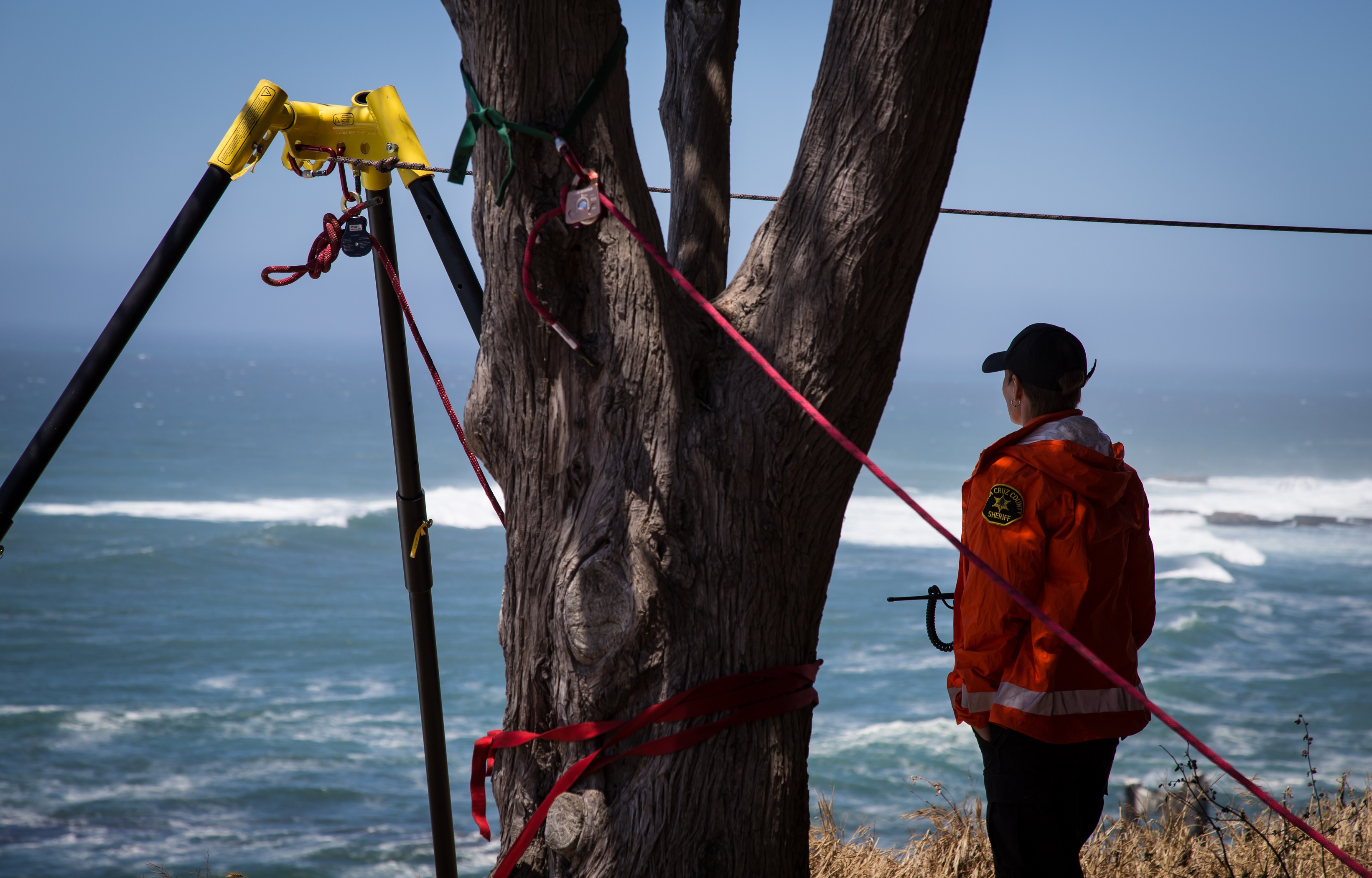
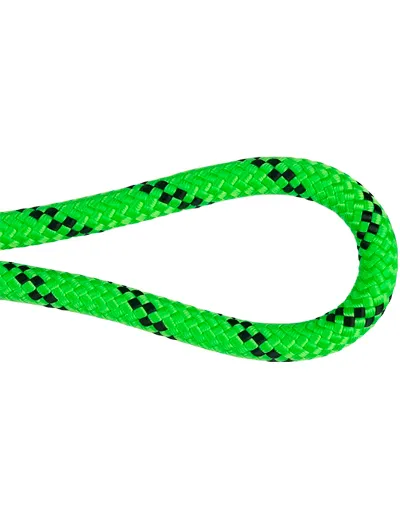
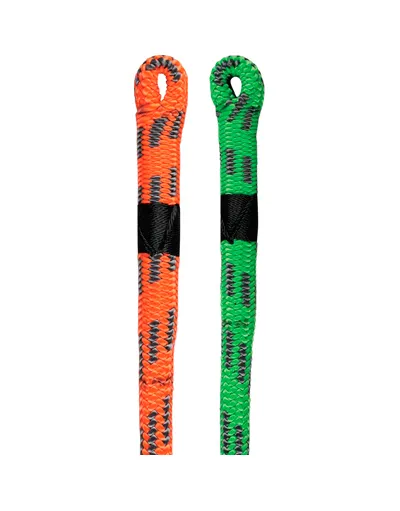
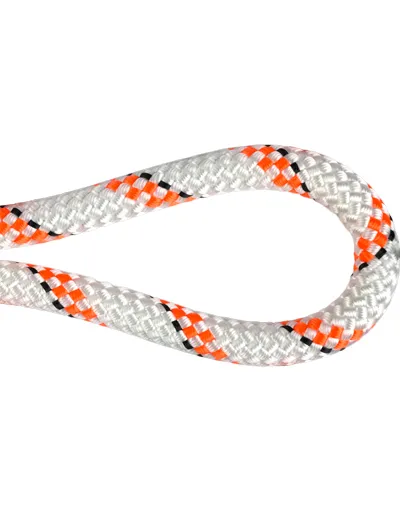
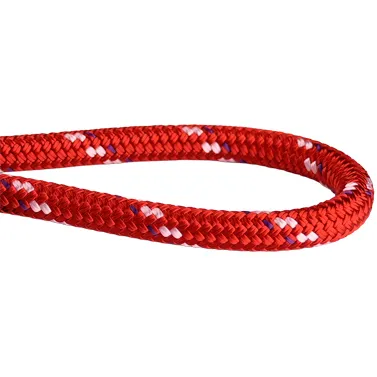
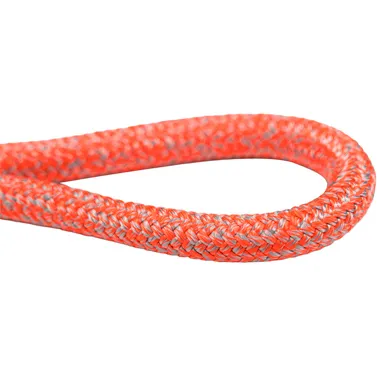
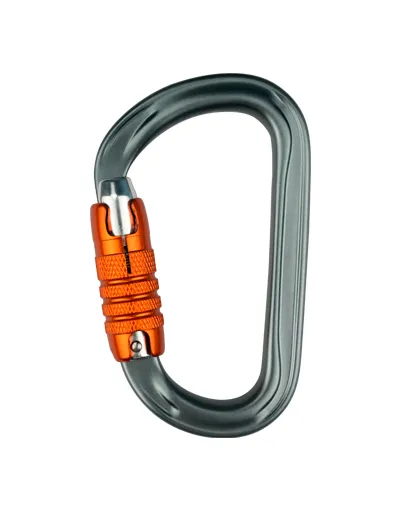
Heat resistant rope is designed for environments where conventional rope materials would fail due to extreme temperatures, flame exposure, or thermal stress. The main differences between heat resistan...
Firefighter rope and high-temperature industrial rope are designed for different purposes. Firefighter rescue ropes must balance mechanical strength, handling, abrasion resistance and heat performance...
Extreme heat environments require ropes that can maintain strength, stability, and safety under temperatures far beyond the limits of conventional materials. The most suitable solutions are fire resis...
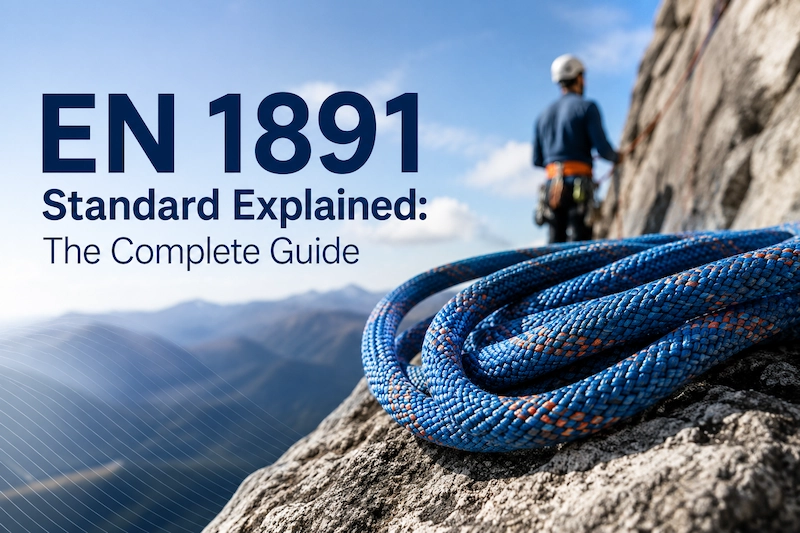
EN 1891 is the European standard that specifies safety requirements and test methods for low-stretch kernmantle ropes—commonly referred to as static rope. Published by the European Committee for Stan...
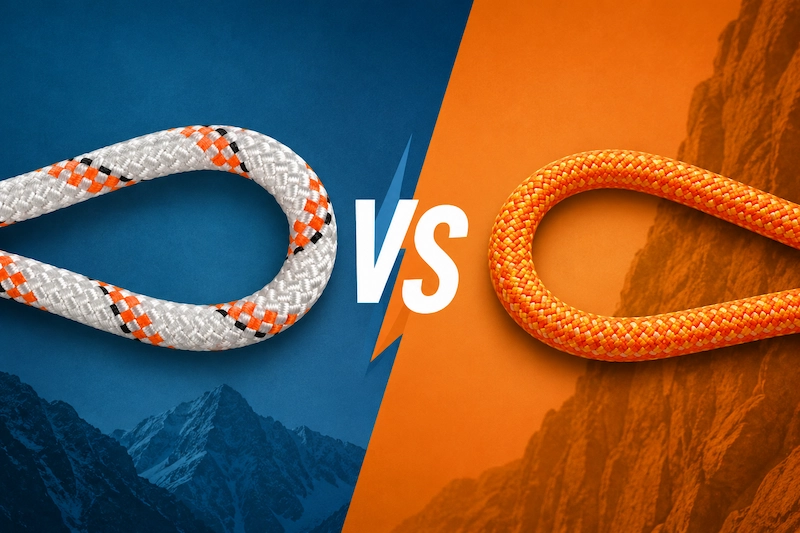
Static rope and dynamic rope serve fundamentally different purposes. Static rope is designed to minimize stretch—typically below 5% elongation under load—making it ideal for applications where the r...
Choosing the right racing rope can be the difference between winning and losing on the water. Whether you're outfitting a club-level dinghy or a grand prix yacht, the lines you select directly aff...
In rescue and industrial operations, rope integrity is not optional — it’s mission-critical. Whether you’re using a synthetic fiber rescue rope for high-angle extraction, firefighting, or load hand...
When selecting a synthetic fiber rescue rope, the choice of material directly determines its performance, safety, and operational lifespan. Each fiber — Nylon, Polyester, Polypropylene, and Kevlar —...
When it comes to climbing rope technology, not all ropes are created equal. The difference between military climbing rope and civilian climbing rope extends far beyond branding or price — it’s a mat...
When it comes to military climbing rope, strength, reliability, and performance under extreme conditions are non-negotiable. Among the many synthetic fibers used in defense-grade rope manufacturing, N...
 English