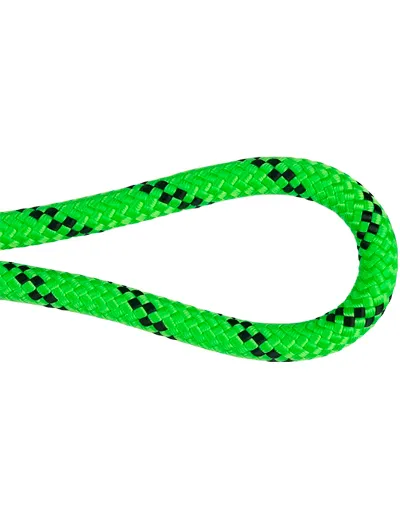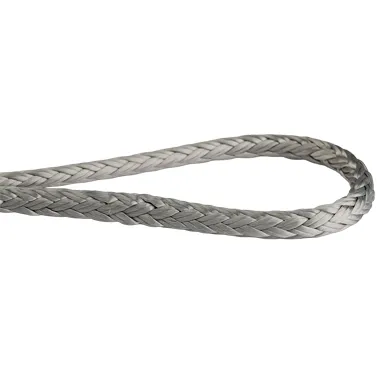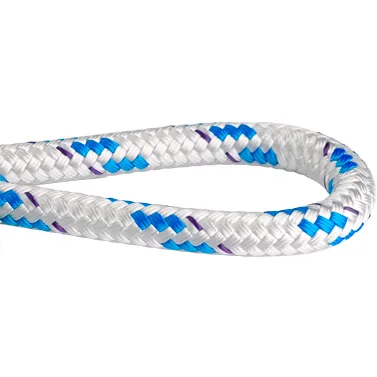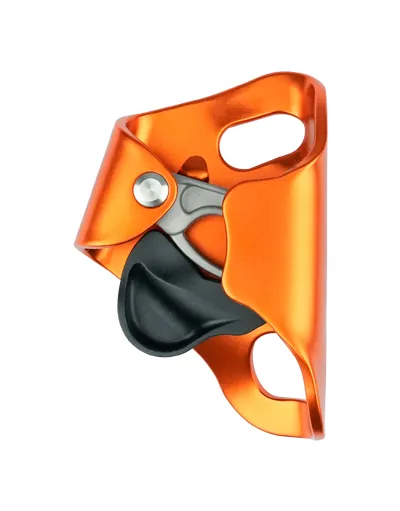
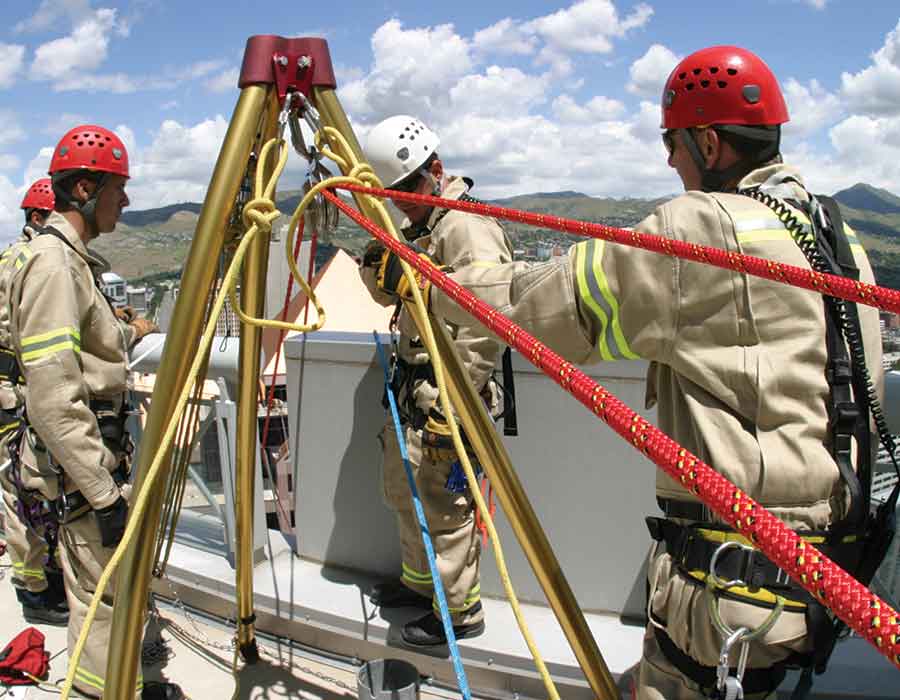
In rescue and industrial operations, rope integrity is not optional — it's mission-critical. Whether you're using a synthetic fiber rescue rope for high-angle extraction, firefighting, or load handling, even minor damage can escalate quickly into a serious safety hazard.
The short answer: rope damage can be detected early through systematic inspection of surface wear, core integrity, chemical exposure, and thermal degradation. Regular visual and tactile checks — supported by proper maintenance records — are essential to prevent accidents and equipment failure.
Let's explore how professionals can accurately identify rope damage before it becomes a liability.
In industrial and rescue environments — construction, marine, firefighting, or military — ropes face continuous exposure to abrasion, UV radiation, chemicals, and cyclic loading. Over time, these factors silently weaken fiber strength.
For synthetic fiber rescue ropes made of engineered polymers such as nylon, polyester, or aramid (Kevlar), degradation is often invisible at first glance. Early detection ensures:
Operational reliability in high-risk conditions
Compliance with safety standards (EN 1891, ISO 2307, NFPA 1983)
Cost efficiency by avoiding catastrophic failures
Understanding how ropes deteriorate is key to spotting early signs of damage. Synthetic fibers degrade through four primary mechanisms:
Repeated friction against surfaces or pulleys causes:
Fuzzing or broken filaments on the sheath
Flattened areas or glazed spots from overloading
Reduction in diameter from core compression
Exposure to oils, acids, fuels, or solvents breaks down molecular chains — especially in nylon and aramid fibers — leaving a rope that looks fine but fails under load.
Prolonged sunlight or high temperatures cause embrittlement and discoloration, particularly in polypropylene and aramid ropes.
Exceeding rated load limits or frequent shock loads can rupture internal yarns — damage often invisible externally but severely compromising strength.
Run the rope slowly through your hands under good lighting. Watch for:
Discoloration or fading – UV or heat degradation
Flattened or glazed areas – friction burns or overload
Abrasion or sheath wear – frayed or fuzzy fibers
Embedded debris – grit or metal particles cutting inner yarns
Consistent color and sheath texture indicate rope health. Uneven stiffness or localized damage signals concern.
Feel for soft spots, hard lumps, or changes in diameter:
Soft spots – possible broken or melted core yarns
Hard lumps – twisted or compacted fibers from internal stress
Reduced diameter – indicates core compression and loss of integrity
In kernmantle ropes, core damage can exist even when the sheath appears intact. A "hollow" or uneven feel requires deeper inspection or replacement.
Signs of thermal or chemical degradation include:
Smooth, glassy texture (from melting)
Chemical odor or residue
Powdery or brittle fiber surface
Heat-damaged ropes often appear darker and may emit a burnt nylon smell when rubbed. Chemical damage, by contrast, may weaken fibers without visible change — requiring careful record tracking of exposure events.
Inspect ends, knots, and connections carefully:
Look for core slippage near splices or sewn terminations.
Check stitching integrity on rescue rope eyes and loops.
Verify that metal hardware (carabiners, pulleys) shows no signs of abrasion or deformation that could damage the rope.
Even the best rope degrades prematurely if paired with rough or mismatched hardware.
Track usage cycles, environmental exposure, and maintenance.
Maintain inspection logs and retire ropes that exceed recommended lifespan — even if visual wear seems minimal.
| Rope Type | Recommended Lifespan (Under Normal Use) | Standard Reference |
Synthetic Fiber Rescue Rope | 1–5 years (depending on frequency of use) | NFPA 1983 |
Industrial Static Rope | 2–5 years | EN 1891 |
Dynamic Climbing Rope | Up to 10 years (unused); <5 years (regular use) | UIAA / CE |
Immediate retirement is recommended if:
There's any visible sheath damage exposing the core
The rope has sustained a fall or overload event
Discoloration, melting, or stiffness is observed
The rope has been exposed to harmful chemicals or extreme heat
No visual inspection can restore confidence in a compromised rope — replacement is always the safest course.
For mission-critical or high-value operations, advanced diagnostics supplement manual checks:
Verifies residual breaking strength compared to factory specifications (typically per ISO 2307).
Detects internal heat damage or melting not visible externally.
Working with certified rope-testing facilities ensures compliance and predictive maintenance for professional rescue systems.
Preventing damage starts with proper use and maintenance:
Avoid dragging ropes over rough surfaces or sharp edges.
Store ropes in cool, dry environments, away from sunlight and chemicals.
Clean with mild soap and water — never industrial solvents.
Use protective rope sleeves for friction-heavy operations.
Rotate ropes in service to distribute wear evenly.
A preventive maintenance plan can double a rope's service life, reducing both replacement costs and downtime.
Rope inspection is not just maintenance — it's a life-saving practice.
One overlooked defect can lead to catastrophic failure.
A proactive inspection program — visual, tactile, and well-documented — ensures every synthetic rescue rope performs to professional standards.
The strength of your rescue system is only as reliable as the rope at its core.
By maintaining inspection records, scheduling regular checks, and partnering with trusted rope manufacturers, organizations can guarantee consistent, certified performance — mission after mission.

 English