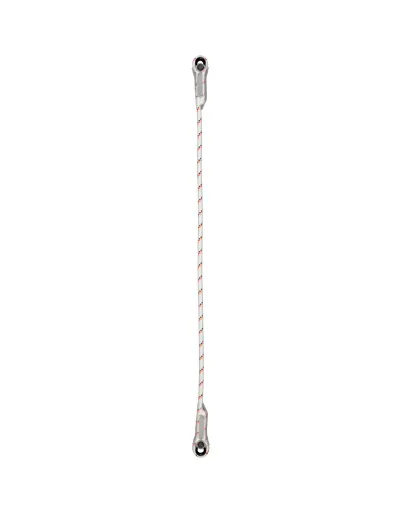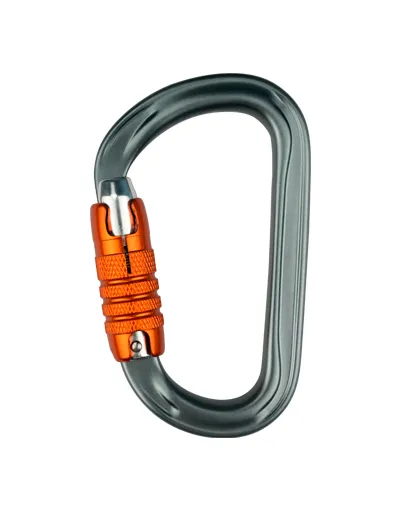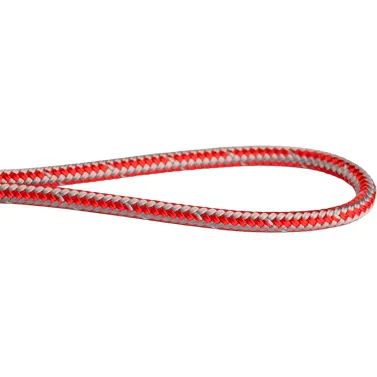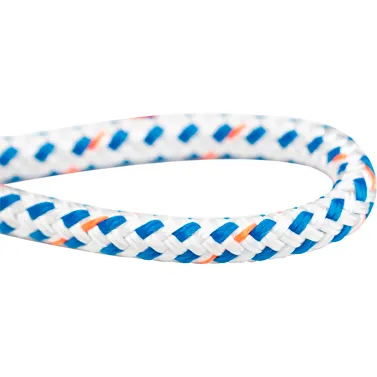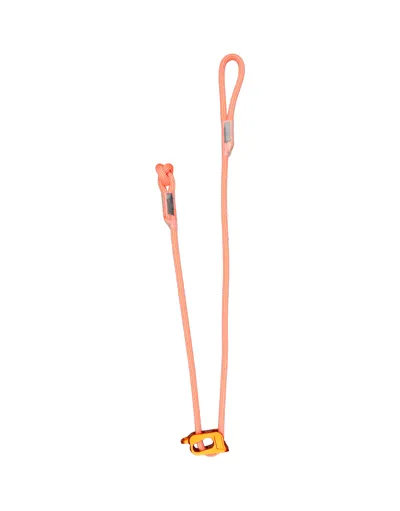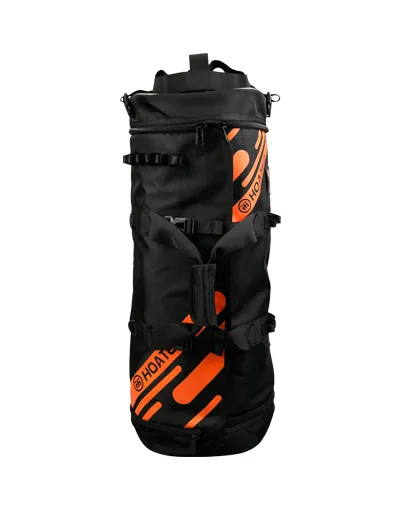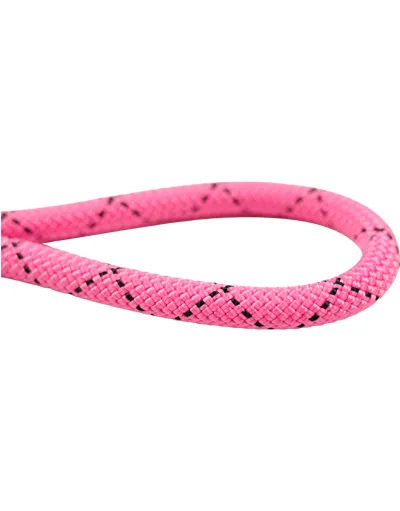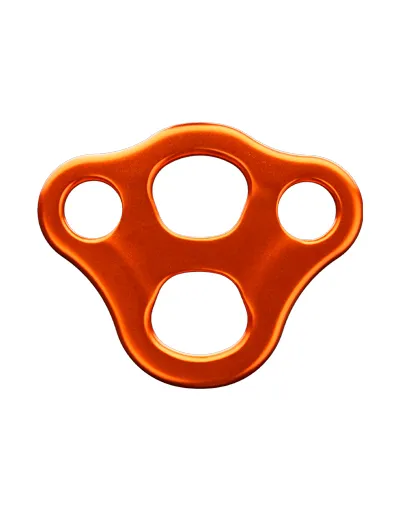
An arborist climbing rope is a semi-static rope specifically engineered for tree care operations. Unlike dynamic climbing ropes used in mountaineering, arborist ropes prioritize low elongation, durability, and device compatibility to support safe work positioning in trees.
Arborist climbing ropes are primarily used for safe ascent and descent in tree work. With low elongation (typically 2–5% at working load) and high strength, they provide stability for pruning, trimming, cabling inspections, and other maintenance tasks. Certified climbing ropes are designed to support the climber and their gear reliably.
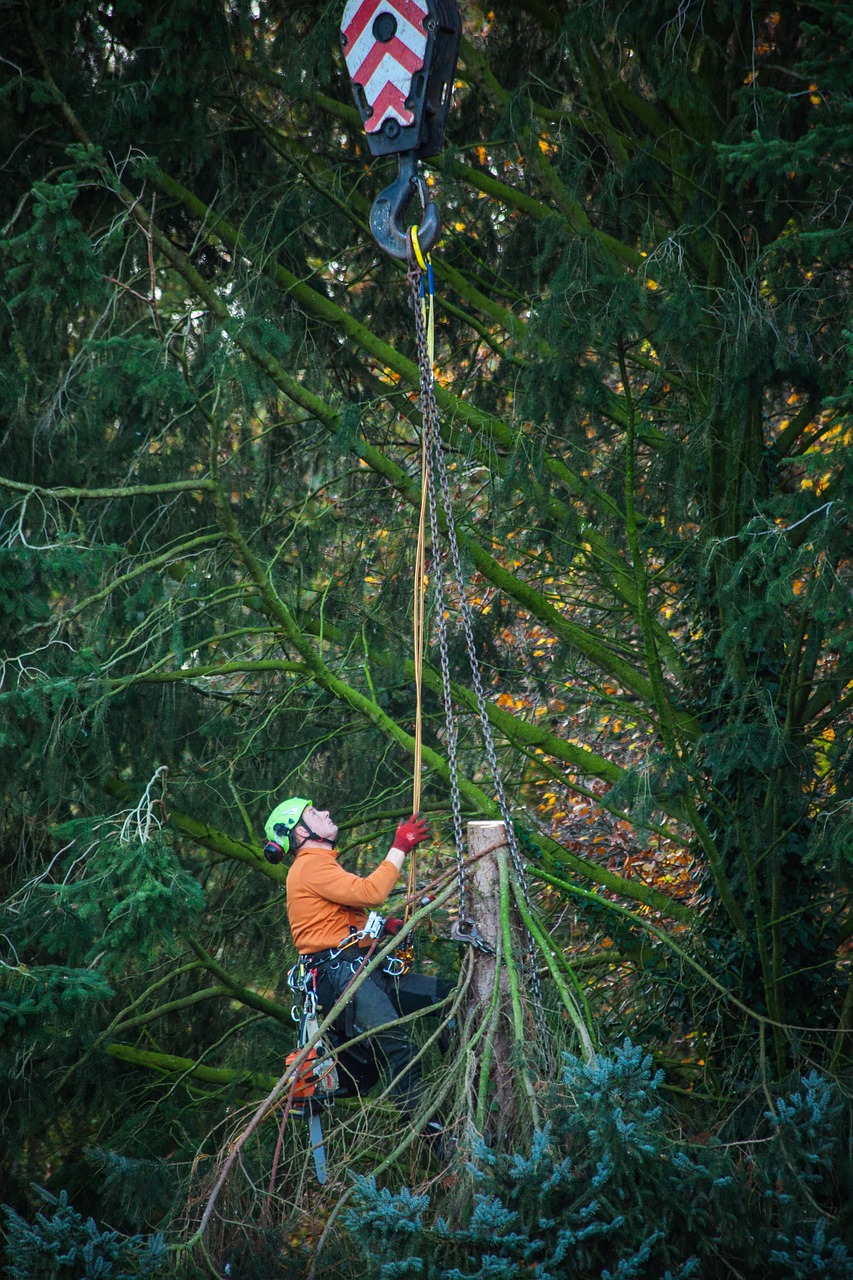
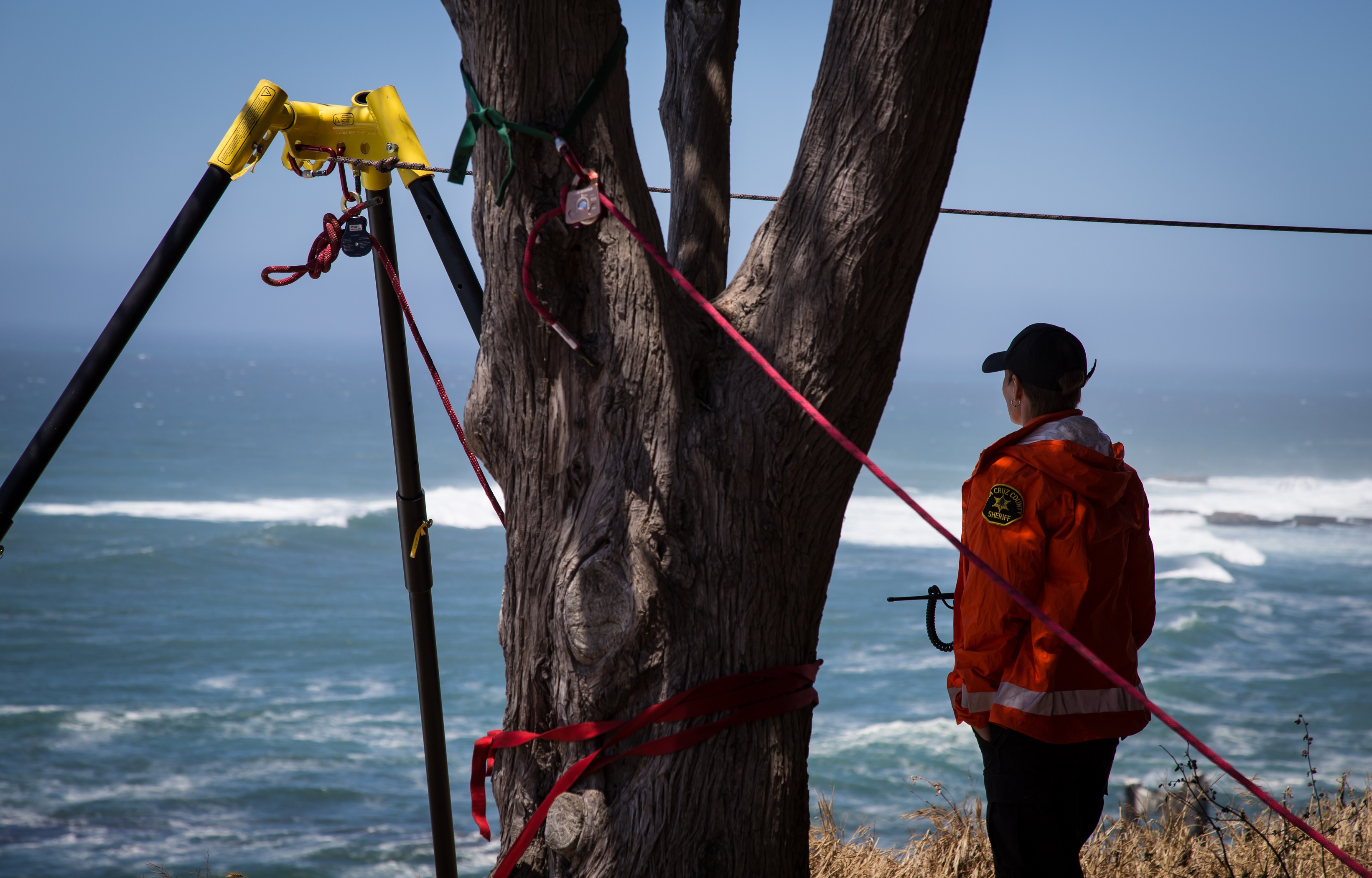
Climbing ropes are fundamental in work positioning systems, allowing arborists to maintain stable access in the canopy. In emergency scenarios, the same climbing lines are used for aerial rescue, enabling quick and controlled evacuation of an injured climber.
Professional training programs rely on arborist climbing ropes to teach safe climbing techniques, knot tying, and equipment handling. Using proper rope types during training ensures that new arborists gain realistic experience consistent with industry standards.
| Material Type | Characteristics | Typical Applications |
Polyester | Durable, low stretch | General climbing and rigging |
Nylon | High strength but higher stretch | Heavy-duty rigging and rescue |
In conclusion, an arborist climbing rope is an indispensable tool in professional tree care. Understanding its applications and features ensures that tree care professionals can perform their tasks safely and efficiently.


 English