
Confidence in Every Line
Professional tree work ropes built to perform in challenging canopy environments.
Strong, stable, and responsive — supporting safe and efficient movement at height.
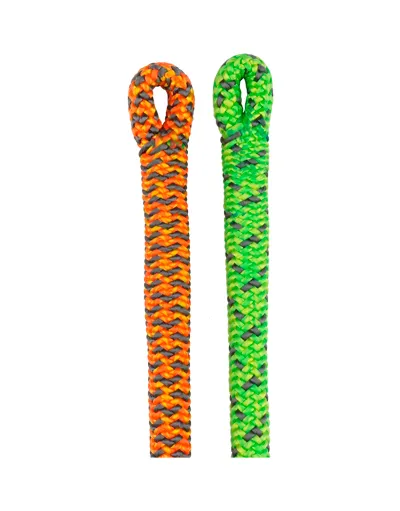
Low-stretch tree climbing rope designed for climbing, rigging, and canopy access. Its double-braided polyester construction offers excellent abrasion resistance and minimal elongation, while highvisib...
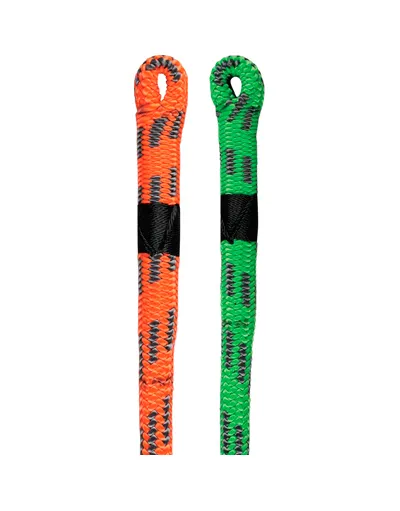
Low-stretch tree climbing rope designed for climbing, rigging and canopy access. lts double-braided polyester construction provides excellent abrasion resistance and minimal elongation, while high-vis...
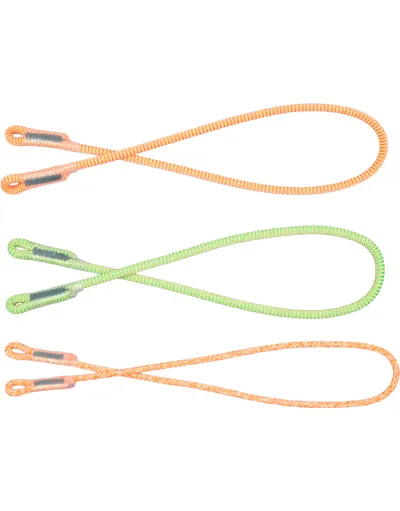
A high-strength accessory rope that balances rigidity and flexibility, gripping the climbing rope securely without jamming knots, ensuring smooth and controlled rope operation.
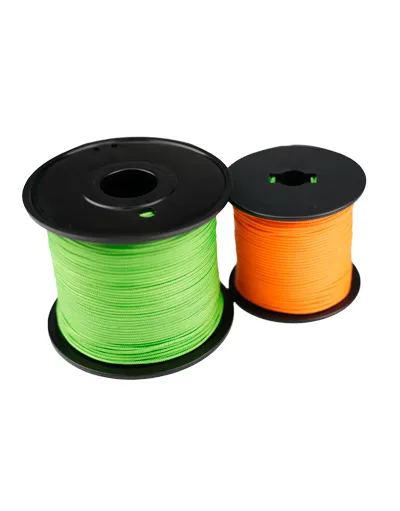
Designed for guiding and positioning in arborist work, this rope features a smooth surface to minimize friction with foliage for more efficient throws. Used with a weighted bag, it allows rapid anchor...
1
Diameter directly affects handling, durability, and device compatibility. Thicker ropes generally offer increased abrasion resistance and durability. Optimized diameters improve smooth operation with mechanical devices. Always ensure the rope diameter matches the specifications of your climbing equipment.
2
Construction determines strength, flexibility, and long-term performance. Double-braid construction provides a balanced combination of core strength and sheath durability. A stable round profile improves consistent friction performance. High-quality sheath design enhances resistance to abrasion in rough bark environments.
3
Stretch behavior impacts climbing efficiency and positioning precision. Low elongation ropes provide better stability for work positioning. Controlled elasticity improves comfort during ascent and movement. The right balance reduces fatigue during extended operations.
4
The rope must integrate seamlessly into the complete climbing system. Ensure compatibility with mechanical devices, friction hitches, and pulleys.
 English