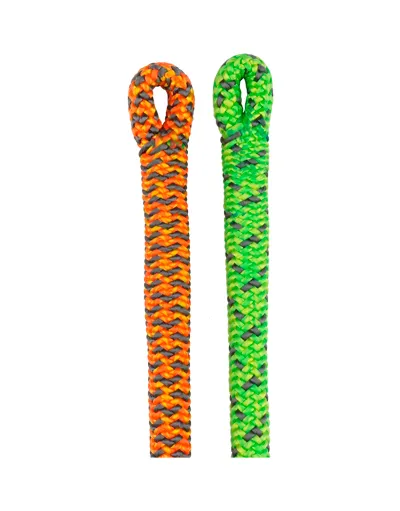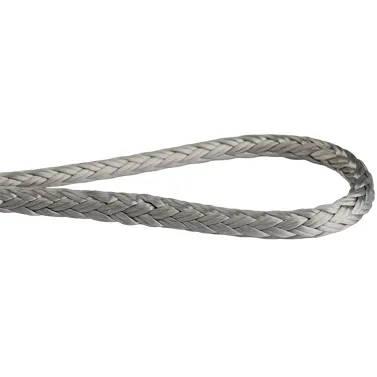

When it comes to climbing rope technology, not all ropes are created equal. The difference between military climbing rope and civilian climbing rope extends far beyond branding or price — it's a matter of design philosophy, material engineering, and mission-critical performance.
In short, military-grade climbing ropes are built for durability, load-bearing reliability, and environmental resilience, while civilian ropes are optimized for controlled, recreational climbing and sport safety.
Let's break down what truly separates these two categories — from the inside out.
The first and most crucial distinction lies in intended use.
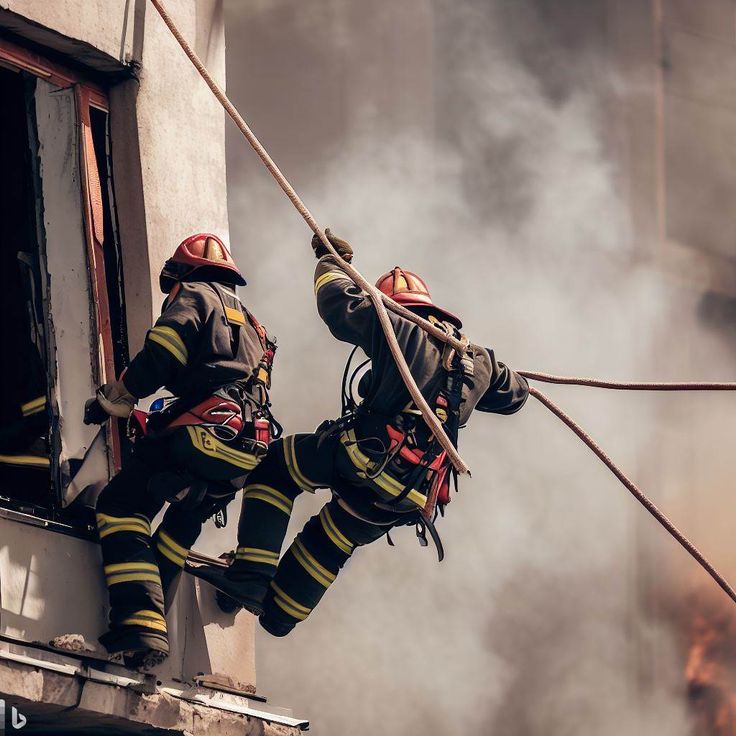
Military climbing rope is designed for tactical operations — think rapid insertions, rappelling from helicopters, rescue missions, and heavy-load hauling under unpredictable conditions.
Civilian climbing rope, on the other hand, is designed for sport climbing, mountaineering, or recreational rescue — environments where safety systems and load dynamics are controlled.
In essence: civilian ropes protect the climber from falls, while military ropes protect the mission from failure.
Military ropes and civilian ropes may look similar externally, but the fiber engineering underneath is where the differences become apparent.
Kevlar® (Aramid) – Delivers exceptional tensile strength and heat resistance (up to 400°C+), ensuring rope integrity during friction-heavy rappels or exposure to flash heat.
Technora® and Vectran® – Used in advanced tactical ropes for their high strength-to-weight ratio and minimal elongation.
Nylon/Polyester Blends – Commonly used in sheaths for added abrasion resistance, moisture control, and flexibility.
Nylon (Polyamide 6.6) – The dominant material in dynamic climbing ropes, offering high elasticity for fall arrest and impact absorption.
Polyester – Used for static ropes where minimal stretch is required, such as hauling or caving.
Bottom line:
Military ropes focus on strength, resistance, and minimal stretch.
Civilian ropes focus on flexibility, comfort, and energy absorption.
In rope engineering, static and dynamic properties determine how a rope behaves under load.
| Rope Type | Stretch (%) | Use Case | Military Application | Civilian Application |
Static Rope | <5% | Load transfer, rappelling | Fast-roping, rescue | Hauling, caving |
Dynamic Rope | 20–35% | Fall protection | Limited (training only) | Sport climbing |
Military climbing ropes are typically static or semi-static, ensuring precise control during descent, heavy lifting, and tactical movement. Civilian climbing ropes must stretch under sudden loads, dissipating impact forces to prevent injury during falls.
Military operations demand all-weather performance — ropes must endure heat, cold, moisture, and abrasion without compromising safety.
Water resistance: Often treated or coated to prevent swelling or loss of strength when wet.
UV and chemical protection: Outer sheaths resist oils, fuels, and sunlight degradation.
Abrasion performance: Braided or dual-sheath constructions handle friction from metal edges, rock, or aircraft surfaces.
Temperature tolerance: Must retain tensile integrity in both desert heat and arctic cold.
Optimized for comfort and handling — supple feel, easy knotting, smooth belay performance.
Typically tested under controlled lab environments (EN 892 or UIAA standards) rather than battlefield exposure.
Key difference:
Military-grade ropes are built for operational endurance, not handling comfort.
Military ropes adhere to strict defense and tactical standards, often surpassing recreational safety certifications.
MIL-R-16863 and MIL-R-17343 define tensile strength, elongation, and abrasion thresholds.
Ropes must pass cyclic load tests and chemical exposure trials under ASTM or NATO protocols.
Manufacturers must ensure traceability and batch uniformity, critical for defense procurement.
Governed by UIAA (International Climbing and Mountaineering Federation) and EN 1891/892 standards.
Focused on fall arrest performance, impact force limits, and handling characteristics for personal safety.
In short: military ropes are engineered for mission-critical reliability, while civilian ropes prioritize user safety under controlled climbing dynamics.
A rope's sheath construction directly impacts its grip, wear resistance, and operational lifespan.
Military Ropes: Often feature a tighter braid (32–48 carrier count) with stiffer handling, improving resistance against abrasion and sharp edges.
Civilian Ropes: Designed with softer, more flexible sheaths to enhance grip, ease knotting, and provide comfort during belaying.
While military climbing ropes may feel rigid and harder to coil, their toughness is intentional — reliability takes priority over comfort.
Military-grade ropes are optimized for performance-to-weight ratio, especially in airborne or field missions.
Kevlar and aramid-core ropes offer ultra-high tensile strength at reduced diameters, minimizing bulk in tactical gear.
Civilian ropes are thicker for comfort, handling, and knot security — attributes less relevant in combat deployment.
For example:
A 10.5 mm civilian climbing rope might hold 25–30 kN.
A 9 mm Kevlar-core military rope can exceed 35–40 kN under static load.
That difference is crucial when hauling personnel, equipment, or vehicles.
Military ropes have strict inspection intervals and limited service lifespans — typically 6–12 months under heavy operational use — due to the extreme environments they face.
Civilian climbing ropes, by contrast, can last several years with proper care, as their exposure to heat, chemicals, or abrasion is limited.
Military buyers often replace ropes as part of preventive logistics cycles, ensuring operational readiness rather than maximizing product longevity.
Because of advanced fibers, coatings, and quality control, military climbing rope generally costs 30–70% more than equivalent civilian ropes.
However, for defense contractors, tactical training centers, and rescue organizations, that cost reflects critical reliability — not luxury.
Failure in the field isn't an option.
| Feature | Military Climbing Rope | Civilian Climbing Rope |
Primary Goal | Mission performance | Fall safety |
Material | Kevlar, Technora, Aramid blends | Nylon, Polyester |
Elasticity | Low (static) | High (dynamic) |
Durability | Extreme | Moderate |
Heat/Chemical Resistance | Excellent | Limited |
Comfort/Handling | Stiff | Flexible |
Certification | Military & ASTM | UIAA / EN |
Cost | High | Moderate |
The difference between military-grade and civilian climbing rope is not simply one of quality, but of mission focus.
Military climbing rope dominates in load control, durability, and operational versatility, designed to perform under the harshest environments with minimal failure risk.
Civilian climbing rope excels in safety and user experience, engineered for controlled, repeatable conditions.
For industrial buyers, tactical suppliers, or government procurement officers, understanding these distinctions ensures the right rope is chosen — not just for performance, but for mission-critical safety.


 English