
Here are some climbing equipment to ensure safety in various climbing scenarios.Key components include carabiners, figure 8 descenders, belay devices,helmets,etc.These are made from high-performance materials to withstand significant stress and harsh environmental conditions.
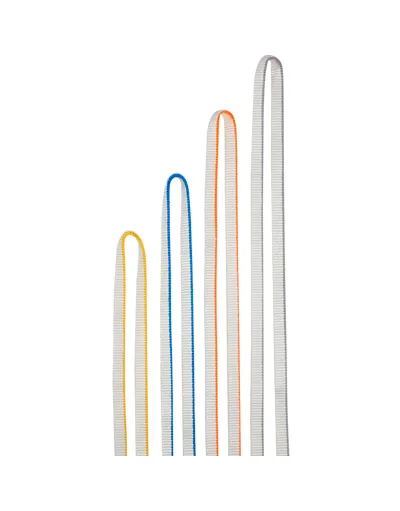
Ultra-Light and Durable Sling for Temporary Protection Points. Made from UHMWPE, offering excellent abrasion resistance, low water absorption, and is less prone to entanglemen.- Offers four color-code...
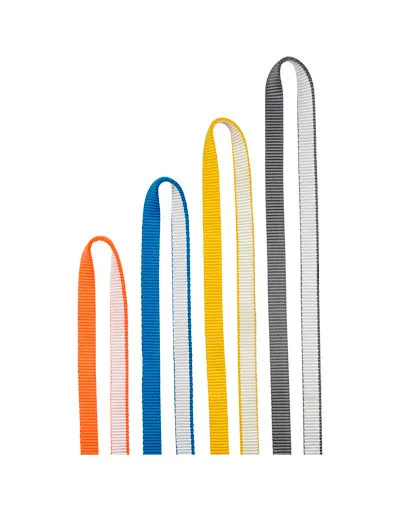
16mm flat belt ring, used to set simple temporary protection points.Nylon fiber, easy to entanglement, more wear-resistant.Light and strong, easy to lock operation.Sewn ribbon - higher strength than o...
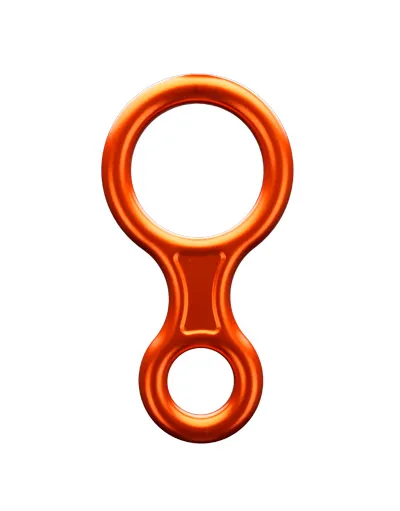
Material:ALStrength:30kNRange of rope:8-13mmWeight:146g
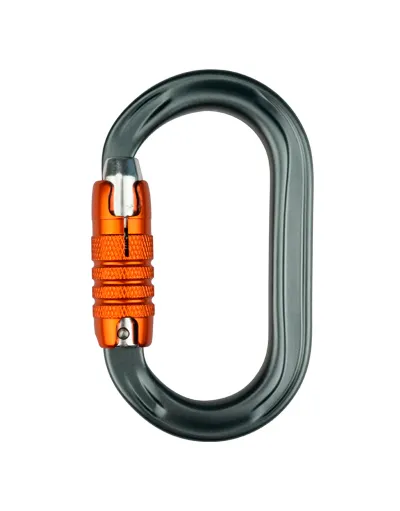
Lightweight aluminum alloy oval carabiner with a symmetrical design for balanced load distribution, ideal for connecting pulleys, ascenders, fall arrestors, and anchor points. The contour between the ...
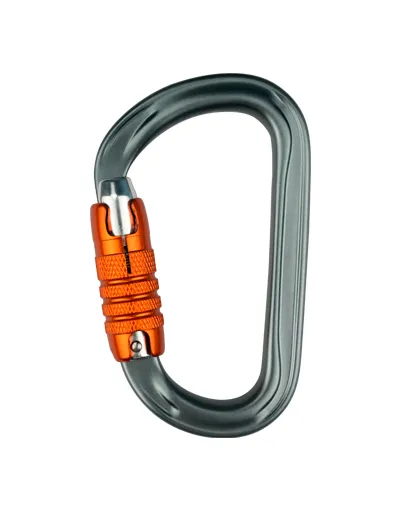
Lightweight aluminum alloy asymmetric D-shaped carabiner, with the load concentrated on the main axis, offering higher load-bearing capacity. It is suitable for connecting protection systems and can a...
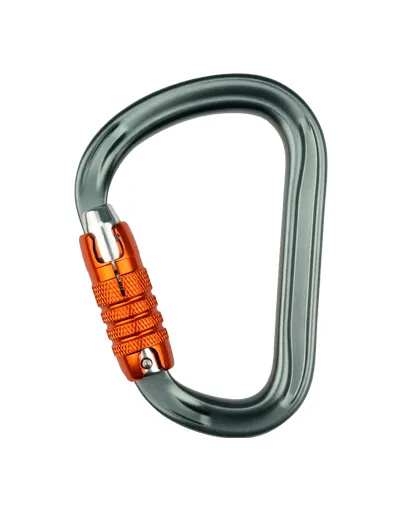
Lightweight large-opening base carabiner, featuring a classic wide pear shape design, making it ideal for connecting multiple pieces of equipment. It is compatible with anchoring and protection system...
1
Fixed anchors are permanent installations, such as bolts, pitons, or chains, embedded into rock faces. They are commonly used on sport climbing routes or high-traffic climbing areas. While convenient and reliable, fixed anchors require regular inspection as environmental exposure can lead to corrosion or weakening over time.
2
Removable anchors, including cams, nuts, and hexes, are portable devices placed in natural features such as cracks or fissures. They offer versatility and leave no trace, making them essential for traditional climbing. Proper placement and understanding of rock conditions are critical to ensuring the effectiveness of removable anchors.
3
Multi-point anchor systems combine multiple protection points, linked to distribute load evenly. These anchors are vital in situations where individual placements might not hold a significant force alone, such as in alpine or ice climbing. Redundancy, equalization, and load distribution principles are critical when constructing multi-point anchors to avoid point failure under dynamic loads.
 English