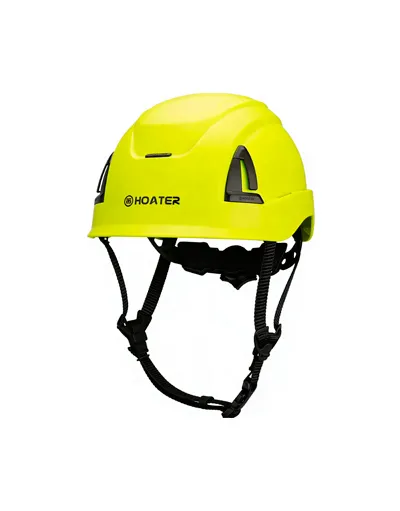
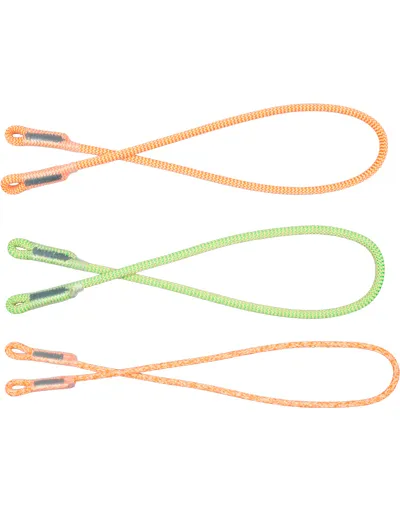
When it comes to climbing rope technology, not all ropes are created equal. The difference between military climbing rope and civilian climbing rope extends far beyond branding or price — it’s a mat...
When it comes to military climbing rope, strength, reliability, and performance under extreme conditions are non-negotiable. Among the many synthetic fibers used in defense-grade rope manufacturing, N...
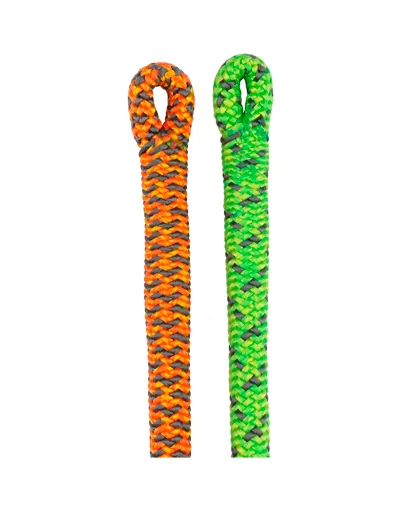
An arborist climbing rope is a semi-static rope specifically engineered for tree care operations. Unlike dynamic climbing ropes used in mountaineering, arborist ropes prioritize low elongation,...
In industries where ropes are exposed to high temperatures—such as firefighting, rescue operations, foundries, welding sites, or heavy industry—the right choice of rope can mean the difference betwe...
Professional tree work requires a specialized arborist climbing rope—typically a static or semi-static kernmantle rope—engineered to provide low elongation, high abrasion resistance, and compatibili...
Fire resistant rope is typically made from high-performance synthetic fibers such as para-aramid (e.g., Kevlar®, Technora®), meta-aramid (e.g., Nomex®), PBI (polybenzimidazole), or fiberglass. Thes...
Firefighting is among the most demanding environments for rope systems. Whether used in rescue operations, rapid intervention, or personal escape, the rope must withstand extreme heat, mechanical stre...
With the growing popularity of outdoor sports, canyoning is gradually gaining mainstream attention. It combines hiking, climbing, swimming, diving, rappelling, and other techniques, posing an extreme ...
During long voyages, whether for leisure cruising or long-distance sailing, cruising ropes are essential equipment to ensure smooth sailing. They not only offer high durability, flexibility, and stren...
Dinghy ropes are essential equipment for every sailor and water sports enthusiast. Choosing the right dinghy rope is crucial to ensuring smooth, safe sailing and enhancing the overall experience. Whet...
 English