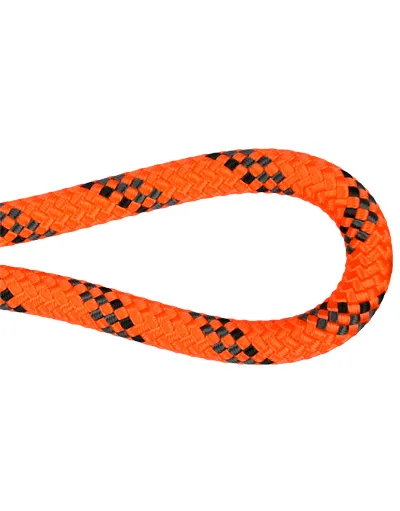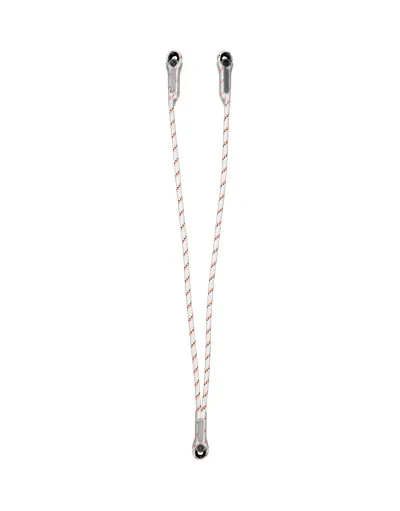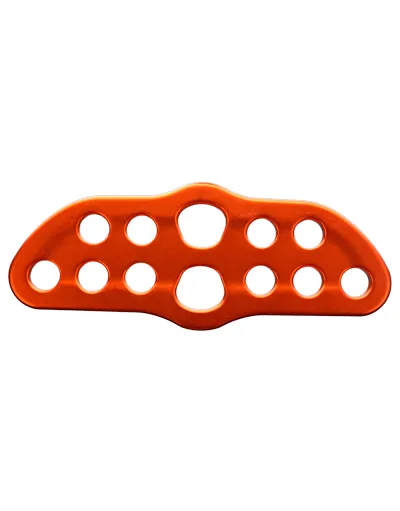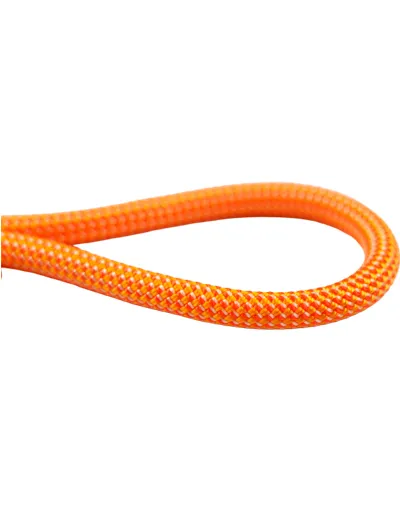
Firefighting is among the most demanding environments for rope systems. Whether used in rescue operations, rapid intervention, or personal escape, the rope must withstand extreme heat, mechanical stress, and life-safety requirements. Fire service ropes are therefore not ordinary climbing or utility ropes; they are engineered, tested, and certified to meet the highest performance standards.
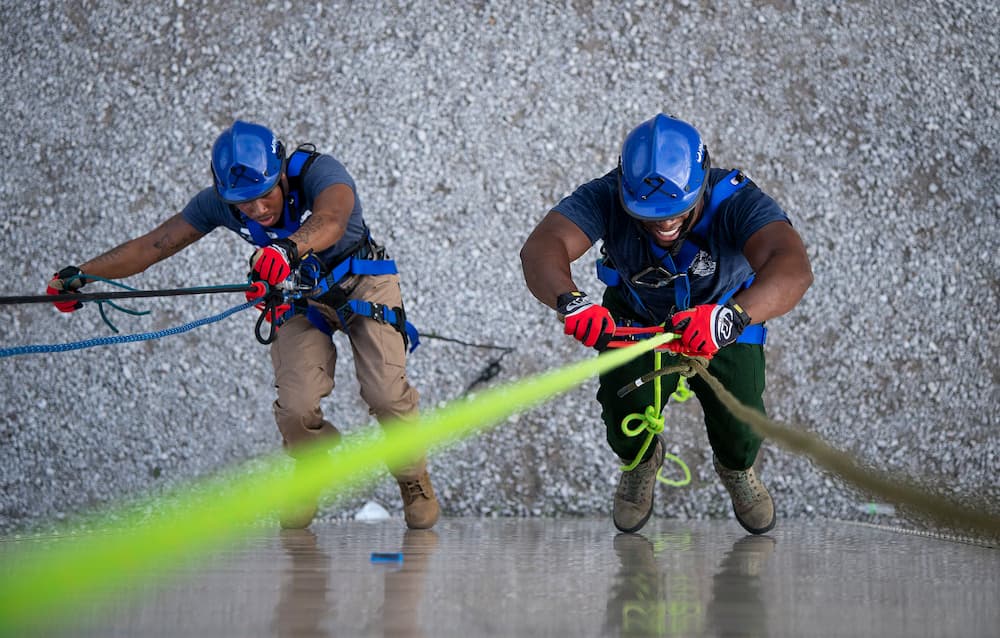
Firefighting involves various rope applications, each demanding different performance characteristics. These include:
| Application | Rope Type | Key Requirements |
Rescue operations | Static kernmantle rope | Low elongation, CE/GB/XF/NFPA-certified, strong core sheath |
RIT (Rapid Intervention Teams) | Heat resistant fire rope | Flame resistance, chemical stability, abrasion resistance |
Personal escape | Fire escape rope / bailout line | Lightweight, compact, flame and cut resistant |
Ventilation rope | Utility rope | General utility, non-life safety rated |
Fire rescue environments present extreme thermal and mechanical stress. Standard synthetic ropes like polypropylene or nylon are unsuitable because they melt, weaken, or off-gas toxic fumes under heat exposure. For thermal-exposure applications, review the available heat resistant fire rope constructions and request the relevant test data before specifying a life-safety system.
A proper heat resistant fire rope is engineered to:
Maintain tensile strength at elevated temperatures (300–500°C+)
Resist ignition, flame spread, and thermal shrinkage
Withstand abrasion from rough surfaces and edges
Deliver low elongation to ensure predictable control during rappels and rescues
Retain performance in wet, chemically hazardous, or smoke-filled environments
Heat resistance: Up to 500°C (short-term)
Key properties: High tensile strength, excellent flex fatigue, low creep
Use cases: Main rescue lines, firefighter bailout kits, thermal rope sheaths
Heat resistance: Degrades above 450°C but retains strength longer than nylon
Key properties: Flame resistant, high modulus, low elongation
Use cases: Escape ropes, high-temp haul lines
Heat resistance: Up to 370°C continuous
Key properties: Self-extinguishing, chemical resistance
Use cases: Utility ropes, sheath blends for heat zones
Heat resistance: Beyond 700°C
Key properties: Non-melting, extremely flame resistant
Use cases: Specialized military or industrial rescue environments
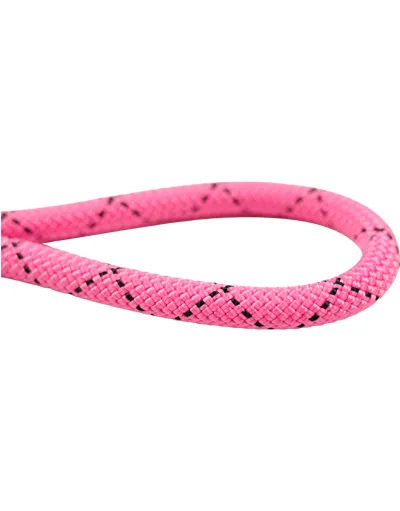
Fire ropes used in life safety applications are typically kernmantle ropes, which feature:
Kern (core): Load-bearing aramid or heat-resistant yarns
Mantle (sheath): Braided aramid or aramid-polyester blends for durability
This structure provides:
Strength under load
Protection from external abrasion
Flexibility and knot-holding ability
Resistance to sheath slippage under tension
When evaluating heat resistant fire rope for professional use, procurement teams should assess:
Identify peak and continuous temperature ratings
Confirm flame resistance is inherent (not just surface-treated)
Verify rope diameter and certified breaking strength
Consider compatibility with descent, pulley, and anchoring systems
Select sheath designs tested against edge and surface friction
Consider hybrid braids with enhanced protection zones
Exposure to moisture, oil, smoke, and chemicals can degrade rope performance
Choose ropes with sealed or impregnated sheaths for extended durability
High-visibility color options support safety in low-light or smoky environments
| Sector | Use Case |
Fire Departments | Rescue, RIT kits, escape systems |
Urban SAR Teams | Vertical evacuation, confined space entry |
Military Fire Units | Tactical rescue, breaching, helicopter ops |
Oil & Gas Refineries | High-heat rigging, emergency evacuation |
Power Plants | Hot work access, thermal barrier zones |
At Hoater Ropes, we support B2B clients in all of these sectors with mission-critical rope systems backed by technical documentation, material traceability, and volume fulfillment capabilities.
Firefighters depend on specialized rope systems engineered for life safety. While general rescue ropes (nylon, polyester) handle most loads, heat-resistant aramid ropes are indispensable in escape kits, RIT lines, and thermal hazard operations.
At Hoater Ropes, we specialize in high-performance, industrial-grade fire ropes manufactured to the highest safety and technical standards for professional buyers.


 English