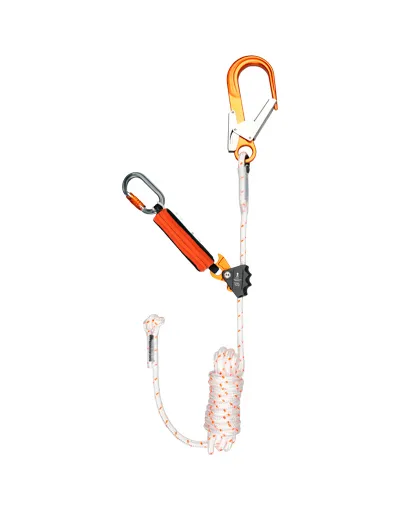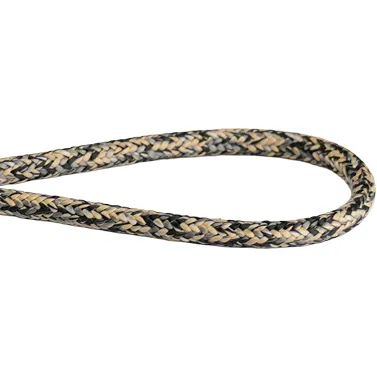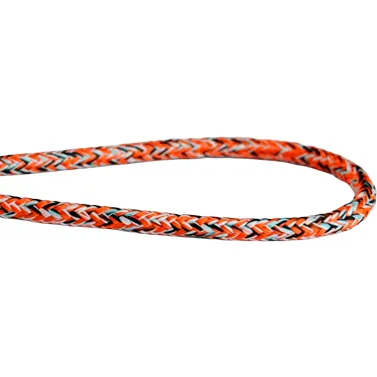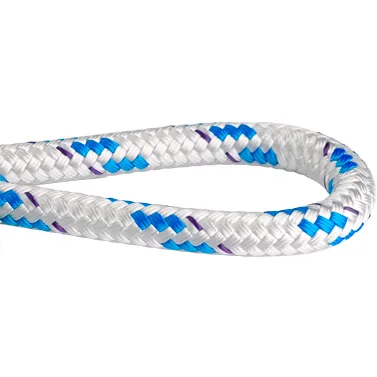
Heat resistant rope is designed for environments where conventional rope materials would fail due to extreme temperatures, flame exposure, or thermal stress. The main differences between heat resistant rope and regular rope are material composition, temperature performance, durability, safety, and application suitability. For industrial operations involving furnaces, foundries, welding, insulation systems, and high-temperature equipment, selecting the correct rope material is critical to maintaining safety and operational reliability.
Regular ropes may perform well in general-purpose applications, but they are not engineered to maintain strength under continuous heat exposure. A properly selected high temperature rope provides thermal stability, resistance to degradation, and long-term performance in demanding industrial conditions.
The primary difference is the ability to withstand elevated temperatures while maintaining mechanical performance.
Regular ropes are typically manufactured from materials such as nylon, polyester, or polypropylene. These fibers are suitable for standard lifting, securing, and handling applications but can soften, melt, shrink, or lose strength when exposed to high heat.
Heat resistant rope is manufactured using specialized fibers such as fiberglass, silica, ceramic fiber, aramid, or other high-performance materials. These materials are engineered to withstand thermal exposure while maintaining structural integrity.
| Feature | Heat Resistant Rope | Regular Rope |
|---|---|---|
| Material | Fiberglass, silica, ceramic fiber, aramid, specialized blends | Nylon, polyester, polypropylene |
| Temperature resistance | Designed for high-temperature environments | Limited heat tolerance |
| Flame resistance | Excellent resistance depending on material | Usually poor |
| Strength retention under heat | Maintains performance at elevated temperatures | Rapid strength reduction |
| Industrial suitability | Furnaces, insulation, welding, heat protection | General handling and securing |
Industrial environments often involve direct or indirect heat exposure that can quickly damage conventional ropes.
Common applications requiring heat resistant rope include:
Furnace and kiln operations
Foundry equipment
Welding and metal processing
Glass manufacturing
Heat insulation systems
Boiler and power plant maintenance
Fire protection equipment
High-temperature sealing applications
In these environments, rope failure can lead to equipment damage, production interruptions, or serious safety risks. Heat-resistant materials help maintain reliable performance where ordinary ropes cannot.
Regular rope materials are not designed for extreme thermal conditions.
Depending on the fiber type, heat exposure may cause:
Synthetic ropes such as polypropylene and nylon can melt when exposed to high temperatures, causing rapid loss of strength.
Heat can change the rope structure, reducing flexibility and affecting load performance.
Even when a rope does not visibly fail, internal fiber damage can significantly reduce its load-bearing capacity.
High temperatures combined with chemicals, sparks, or industrial contaminants can accelerate deterioration.
For applications involving heat exposure, replacing standard rope with a suitable high temperature rope can significantly improve reliability.
Different industrial conditions require different rope materials. The best choice depends on temperature range, mechanical requirements, and environmental exposure.
Fiberglass rope is widely used for thermal insulation and industrial heat protection.
Advantages include:
Excellent heat resistance
Non-combustible properties
Good chemical stability
Cost-effective performance
It is commonly used around furnaces, pipes, boilers, and heat shields.
Silica rope provides higher temperature resistance than many conventional heat-resistant materials.
Benefits include:
Superior thermal stability
Excellent resistance to flame exposure
Low thermal conductivity
Resistance to thermal shock
It is suitable for extreme heat applications where standard fiberglass products may not provide enough protection.
Ceramic fiber rope is designed for the most demanding high-temperature environments.
Typical applications include:
Industrial furnaces
Kilns
High-temperature insulation systems
Heat treatment equipment
It offers outstanding temperature performance while maintaining lightweight characteristics.
Aramid ropes provide a combination of:
High tensile strength
Heat resistance
Abrasion resistance
Lightweight construction
They are commonly used in safety equipment and applications requiring both mechanical strength and thermal protection.
Selecting the correct rope requires evaluating several operating conditions rather than focusing only on temperature ratings.
Identify:
Continuous working temperature
Maximum temperature exposure
Duration of heat contact
Presence of direct flame
A rope exposed to occasional heat requires different properties than one installed permanently near a high-temperature source.
Industrial ropes must often handle:
Tension loads
Pulling forces
Repeated movement
Abrasion
A material with excellent heat resistance but insufficient mechanical strength may not be suitable for load-bearing applications.
Consider exposure to:
Chemicals
Moisture
Oil
Sparks
Dust
Thermal cycling
The surrounding environment affects rope lifespan and performance.
Rope structure also influences durability.
Common constructions include:
Braided rope for flexibility and handling
Twisted rope for general industrial use
Multi-layer constructions for enhanced protection
Heat resistant rope can replace regular rope in applications where temperature exposure creates safety concerns. However, it is not always necessary for standard environments.
Using heat resistant rope provides advantages when:
Temperatures exceed normal operating limits
Flame exposure is possible
Equipment generates radiant heat
Rope failure could create safety hazards
For ordinary applications without thermal exposure, standard ropes may remain a practical solution.
The service life of high temperature rope depends on:
Material type
Operating temperature
Frequency of exposure
Mechanical stress
Maintenance practices
A properly selected rope can provide long-term performance, but even advanced materials will eventually degrade under continuous extreme conditions.
Regular inspection should check for:
Surface damage
Fiber breakdown
Hardening or brittleness
Reduced flexibility
Visible thermal damage
Replacing damaged rope before failure is essential for industrial safety.
Heat resistant rope is designed to withstand high temperatures and reduce damage from flame exposure, but no rope is completely unaffected by unlimited heat.
Performance depends on:
Fiber composition
Temperature level
Exposure duration
Rope construction
Materials such as silica and ceramic fiber provide exceptional heat resistance, while aramid and fiberglass offer balanced performance for many industrial applications.
Material selection directly affects safety, productivity, and maintenance costs.
Choosing the wrong rope may result in:
Premature replacement
Unexpected equipment downtime
Reduced operational safety
Increased maintenance expenses
Professional manufacturers evaluate application requirements and recommend suitable rope materials based on actual working conditions.
For industrial buyers, working with an experienced heat resistant rope supplier ensures access to reliable products, technical guidance, and customized solutions.
The difference between heat resistant rope and regular rope lies in their ability to perform under thermal stress. Regular ropes are suitable for general applications, but they are not designed for environments involving extreme heat, flame, or continuous temperature exposure.
A properly selected heat resistant rope or high temperature rope provides improved durability, safety, and operational reliability in demanding industrial conditions. Understanding material properties, temperature requirements, and application factors allows companies to choose the right rope solution and reduce the risk of performance failure.
The temperature resistance depends on the material. Fiberglass, silica, ceramic fiber, and aramid ropes have different performance ranges, with silica and ceramic fiber generally designed for higher temperature environments than standard heat-resistant materials.
Heat resistant rope is not always stronger in every application, but it is designed to maintain performance under high temperatures where regular rope may quickly lose strength.
The best material depends on the application. Fiberglass is commonly used for insulation, silica and ceramic fiber are preferred for extreme heat, and aramid is suitable where heat resistance and mechanical strength are both required.
Nylon rope is generally not recommended for high-temperature applications because it can soften, melt, and lose strength when exposed to excessive heat.
The correct rope depends on operating temperature, load requirements, chemical exposure, and application conditions. Consulting a professional rope manufacturer helps ensure the right material and construction are selected.



 English