Firefighter rope and high-temperature industrial rope are designed for different purposes. Firefighter rescue ropes must balance mechanical strength, handling, abrasion resistance and heat performance, while industrial high-temperature ropes are primarily selected for thermal insulation and resistance to extreme temperatures.
For life-safety rescue applications, heat-resistant aramid-based constructions are commonly used where elevated-temperature performance is required. Fiberglass, silica and ceramic fiber ropes, by contrast, are more commonly used for industrial insulation, furnace sealing and thermal protection rather than personnel rescue.
Firefighter ropes are manufactured from advanced heat-resistant fibers designed to maintain structural integrity under high temperatures. Unlike conventional ropes made from nylon or polypropylene, firefighter ropes require materials that can withstand flame exposure without melting or losing critical strength.
The most common firefighter rope materials include:
Aramid fibers are among the most widely used materials for high-performance fire resistant ropes.
Key advantages include:
Excellent heat resistance
High tensile strength
Low thermal shrinkage
Strong abrasion resistance
Good dimensional stability
Aramid ropes can maintain performance at elevated temperatures and are commonly used in rescue systems, firefighter equipment, and industrial safety applications.
Fiberglass ropes are primarily used for thermal insulation, sealing and industrial heat-protection applications rather than as general-purpose life-safety rescue ropes.
Benefits include:
Non-combustible properties
Excellent thermal insulation
Resistance to chemicals and moisture
Long service life in harsh environments
Fiberglass rope is often used in furnace operations, welding protection, insulation systems, and industrial heat shielding.
Silica rope provides superior resistance to extreme heat conditions.
Typical characteristics include:
High melting temperature
Excellent flame resistance
Low thermal conductivity
Good resistance to thermal shock
Silica-based ropes are frequently selected for applications where temperatures exceed the capabilities of standard heat-resistant fibers.
Ceramic fiber ropes are designed for extremely high-temperature environments.
They offer:
Exceptional heat resistance
Lightweight construction
Strong insulation performance
Resistance to thermal cycling
These ropes are commonly used in industrial furnaces, kilns, and specialized fire protection systems.
Choosing the correct fire resistant rope material requires evaluating the working environment rather than focusing only on maximum temperature ratings.
Important selection factors include:
The first consideration is the actual temperature exposure.
Different materials perform within different temperature ranges:
Aramid fibers: suitable for many firefighting and rescue applications
Fiberglass: suitable for continuous high-temperature insulation applications
Silica and ceramic fibers: preferred for extreme heat environments
A rope exposed to short-duration flame contact may require different characteristics compared with a rope exposed to constant radiant heat.
Firefighter ropes must maintain enough strength to support loads during emergency operations.
Consider:
Breaking strength
Load capacity
Shock resistance
Knot performance
A rope that resists heat but loses mechanical strength quickly may not be suitable for safety-critical applications.
Emergency equipment requires ropes that are easy to handle while wearing protective gloves.
Aramid and blended fiber ropes often provide a balance between:
Heat resistance
Flexibility
Low weight
User comfort
Firefighter ropes may encounter:
Water
Chemicals
Smoke residue
Abrasive surfaces
Repeated thermal cycles
Material selection should consider long-term durability, not only first-use performance.
General-purpose nylon, polyester or polypropylene ropes should not automatically be considered suitable for firefighting or life-safety applications simply because of their basic material properties.
However, rope material alone does not determine suitability. Professional rescue ropes may use specialized nylon, polyester or blended constructions when they are designed, tested and certified for the intended life-safety application.
The correct choice should be based on the rope's complete performance specification rather than fiber type alone.
The service life of fire resistant rope depends on:
Frequency of use
Heat exposure level
Mechanical loading
Storage conditions
Cleaning and maintenance procedures
Even high-quality fire resistant rope material can degrade after repeated exposure to extreme heat, chemicals, or abrasion. Regular inspection is essential for safety-critical applications.
Signs that replacement may be required include:
Fiber damage
Surface burning or glazing
Reduced flexibility
Visible contamination
Loss of diameter or strength
The applicable standard depends on the rope's intended use. Life-safety rescue ropes used for access, evacuation or technical rescue should be selected according to the relevant regional and application-specific requirements.
Depending on the product and market, these may include standards or technical requirements relating to:
EN 1891 for low-stretch kernmantle ropes
EN 564 for accessory cords
EN 341 where the rope forms part of a descender system
NFPA 2500 for applicable rope and rescue equipment used in North American fire and rescue operations
Relevant national fire and rescue equipment requirements
Users should always verify the certification and intended use of the complete rope system rather than assuming that a heat-resistant fiber automatically qualifies a rope for life-safety use.
Professional fire resistant rope suppliers typically control quality through multiple stages:
High-performance fibers must be carefully selected according to:
Temperature requirements
Strength specifications
Application environment
Important production factors include:
Fiber processing
Braiding structure
Rope diameter consistency
Strength testing
Quality suppliers evaluate:
Heat resistance
Tensile strength
Abrasion resistance
Flame performance
Durability
Choosing a supplier with technical expertise helps customers avoid performance failures caused by unsuitable materials or inconsistent manufacturing.
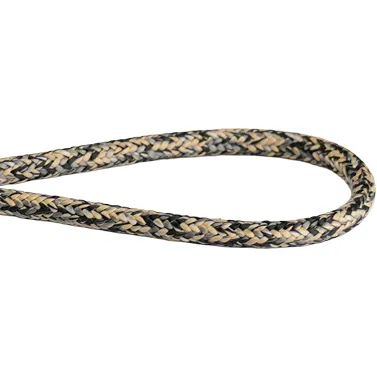
The fiber alone does not determine rope performance. Construction methods also influence safety and durability.
Common rope structures include:
Braided designs provide:
Good flexibility
Balanced strength distribution
Improved handling
Kernmantle construction combines:
A load-bearing core
A protective outer sheath
This structure is widely used in rescue applications because it provides strength and protection against abrasion.
Some ropes include specialized coatings that improve:
Flame resistance
Chemical protection
Surface durability
Proper maintenance extends rope service life and helps preserve safety performance.
Recommended practices include:
Inspect ropes before and after use
Keep ropes clean and dry
Avoid unnecessary heat exposure
Store away from chemicals and direct sunlight
Replace ropes showing structural damage
Maintenance procedures should follow the manufacturer's recommendations for the specific rope material.
Selecting the right firefighter rope requires a balance between heat resistance, strength, flexibility, and application requirements. The ideal fire resistant rope material is not simply the one with the highest temperature rating but the one that provides reliable performance under actual working conditions.
Aramid fibers, fiberglass, silica, and ceramic fiber each offer unique advantages for different environments. By understanding material properties and working with experienced fire resistant rope suppliers, fire protection professionals and industrial users can choose ropes that deliver dependable safety performance in extreme conditions.
The best material depends on the application. Aramid fiber ropes are commonly preferred for firefighter rescue operations because they combine heat resistance, strength, and flexibility. Silica and ceramic fiber ropes are better suited for extreme-temperature industrial environments.
Ropes made from materials such as aramid fiber, fiberglass, silica, and ceramic fiber provide strong resistance to melting and flame exposure compared with conventional synthetic ropes.
Yes. Fiberglass rope is non-combustible and provides excellent thermal resistance, making it widely used for insulation and industrial heat protection applications.
A reliable supplier should provide verified material specifications, quality testing, consistent manufacturing processes, and technical support to help select the correct rope for the intended environment.

 English